
Kids on the golf course take every word literally. The way coaches phrase instructions can shape a child's confidence and skill from the very first lesson.
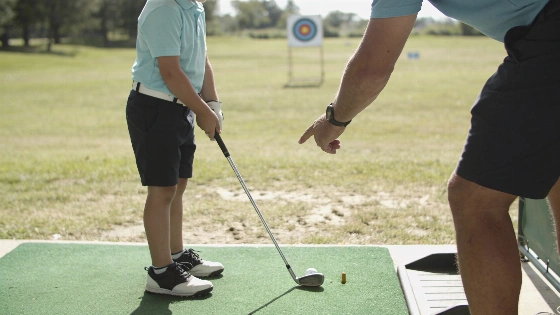
On the range, a coach tells a young player their feet are glued to the ground. The child freezes, refusing to budge even when the stance needs fixing. This scene plays out for instructors everywhere. Kids latch onto literal meaning, and the fallout lands right in the middle of their learning curve.
Studies in motor learning generally support an external focus of attention-on the goal, ball trajectory, or movement outcome-rather than on specific body parts. However, the effect depends on the task and the athlete's skill level.
One job at a time for better results
Stacking swing thoughts on a child-keep your head still and turn your shoulders-leads straight to overload. Confidence drops, and kids start thinking golf just isn't for them. Coaches who stick to one job per session see steadier gains. If balance is the day's focus, holding the finish becomes the only mission. Only after a child nails that should another task enter the mix. This isn't just a tip. It's the backbone of building skill and belief in young golfers.
Motor learning research backs this up. Kids do better when their attention shifts away from body parts and toward the outcome. Instead of micromanaging hand position, ask them to swing the clubhead at the target. For chipping, toss a towel on the green and have them land the ball there. On the putting green, set up a gate and challenge them to roll the ball through. These cues give kids something real to aim for, and the data shows performance jumps. Independent coaching guides urge instructors to frame feedback around visible results-like ball direction or hitting a target-instead of rattling off body positions.
Still, external focus isn't a blanket rule. For beginners, every cue must fit the task, skill level, and how the child responds. The Forbes Coaches Council points out that youth coaching works best when instructions flex to match each child's learning style.
For inclusive youth sports programs, there is a strong emphasis on coach preparation: trainers are encouraged to consider sensory characteristics, behavioral strategies, and ways to adapt instructions, especially when working with autistic children.
Show me what you think I mean
Ask a kid if they get the instruction, and you get a quick yes-usually just to hit the next shot. A better move: "Show me what you think I mean." That trick lays bare any confusion before it turns into a habit. The glued-feet story would have ended differently if the coach had asked for a demo up front.
Teaching kids golf isn't about rattling off technical fixes. It's about giving them a job they can picture and finish, using words that match how literally they think. The evidence stacks up: kids thrive on simple, actionable, do-this instructions. Coaches and parents who want results need to pick words with care. Kids will take them at face value, sometimes more literally than anyone expects.