
Lighter frames and hybrid electric drives are shaking up the push cart market in 2026, as brands compete to make hauling golf bags less of a chore and more of a seamless part of the game.
On golf courses in 2026, the old struggle with bulky, awkward trolleys has faded. Manufacturers have zeroed in on lighter builds and smarter folding, pushing convenience and portability to the front of the pack. Golfers now expect carts that stash easily in a car trunk and glide across fairways without fuss.
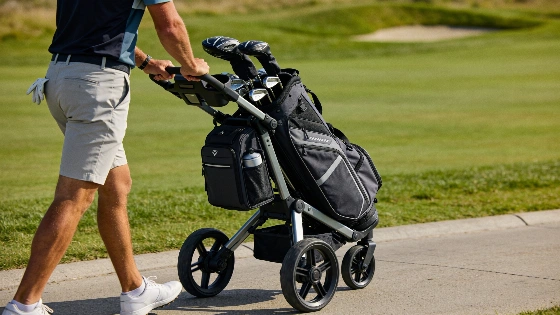
The Blade IP 2 features aerospace-grade aluminum, an upgraded XL organizer panel, dedicated pockets for phone, balls, and rangefinder, and a standard drink holder-all designed to enhance convenience on the course.
Value shoppers have gravitated toward the EzeGlide Smart Fold Push Cart. Its aluminum frame weighs 7.2 kg and comes with extras like an umbrella holder and wheel covers. The handle adjusts for comfort, and the bag supports keep gear steady without bumping up the price.
Some buyers want style as much as function. The PowaKaddy Micra Push Cart stands out with a black frame, yellow highlights, and wheels built for speed. Its Key-Lock base keeps bags from twisting mid-round. Motocaddy's QB2 Push Cart targets those who need every inch of trunk space, folding 20% smaller than the previous model and adding more storage with a two-step collapse.
Hybrid tech is creeping in. The MGI E-Boost Push Cart offers a motorized assist for hills or tired legs, running on battery for about 14 holes. There's no handle-mounted battery gauge, which testers flagged as a miss. For those counting every gram, the Bag Boy Slimfold Push Cart weighs just 6.25 kg and still manages heavier bags without wobble.
In independent testing for hilly courses, the Blade IP series was noted for its dual brakes and adjustable bag supports, features that enhance stability on slopes. However, these findings are based on third-party reviews and not official manufacturer statements.
Dan Parker at Golf Monthly led hands-on testing, putting each cart through rounds to see how they handled, folded, and stored. The reviews cut through marketing spin, focusing on how the carts actually perform when loaded up and pushed across real courses.
Buyers still debate the basics. Three-wheel carts turn more easily, while four-wheelers hold steady on rough ground. Push carts now outpace pull carts for smoothness and ease, and most amateurs see them as a way to carry a full bag without wearing themselves out. Pros stick with caddies, but for everyone else, the new designs mean less strain and more focus on the game.
Usability and adaptability now set the tone for the 2026 push cart market. The Blade IP 2 leads the premium field, but models like the EzeGlide Smart Fold and MGI E-Boost show that value and hybrid tech are gaining ground. The latest carts are lighter, easier to fold, and built for the realities of modern golf. Each model's strengths come down to how well it fits a golfer's habits and gear.