ShotLink began tracking selected tournament statistics in 2003, giving researchers a possible window into PGA Tour putting from 2004 to 2012. The study described in the available sources used that data, but its model and results have not been independently verified.
The players in the analysis already had the physical skill to make those putts. What changed was the pressure around the stroke.
That is the useful point behind golf's familiar "90-percent mental" line. A percentage cannot capture the game, but the gap between making a shot in practice and making it when the outcome matters is real.
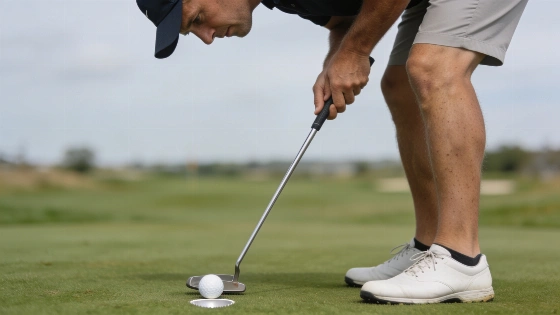
What the final-hole putting data shows
Researchers calculated how much money depended on whether each final-hole putt went in. As the financial stakes rose, the likelihood of making the putt fell. The effect was larger among less experienced players. ShotLink's history makes that period possible to examine, but it does not confirm the analysis. The PGA Tour's ShotLink data coverage describes the tracking timeline.
Skill does not vanish under pressure. The reported result suggests the same task can get harder when the consequences change, even for golfers who have made the putt before.
Pressure changes the task
Most golfers know the smaller version: a clean shot on the range, then a poor one on the first tee. Or a missed six-footer followed by a make from the same spot. The player's ability has not suddenly changed. The situation has.
Longtime instructor Jim Flick put it this way: "Golf is 90-percent mental," Flick said, "and the other 10 percent is mental, too." The line is also credited to Jack Nicklaus. Flick's version gets at why physical technique alone cannot explain what happens when a golfer has one chance and cares about the result.
Percentages that divide golf into mental and physical parts do little to explain performance. The more useful question is whether a player can call on a practiced skill under pressure. The reported putting analysis offers one example, though its underlying evidence remains unverified.
Anecdotes can show what pressure feels like, but they cannot establish a tour-wide pattern. In an account of a PGA Tour Champions event, a player linked increased pressure with a three-putt on the 17th. Newsday's tournament report describes the episode, which was not a controlled study of tour-wide performance.