
Golfers in 2026 face a wave of new tee options as brands push for tougher builds and greener materials. Performance and sustainability now go hand in hand.
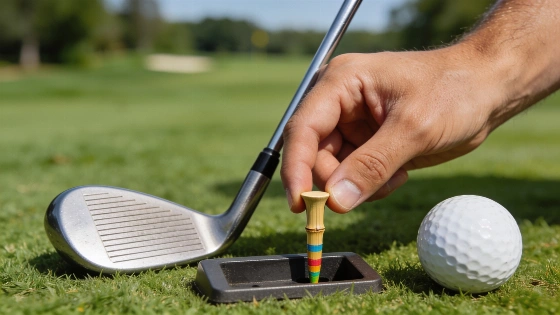
Step onto a tee box in 2026 and the old wooden peg is no longer the only game in town. Players now sort through a lineup of hardwood, bamboo, and polymer tees, each promising a different edge-sometimes in distance, sometimes in durability, sometimes in environmental impact.
Правило 4.3a Правил гольфа ограничивает длину ти до 4 дюймов и запрещает конструкции, которые указывают линию игры или чрезмерно влияют на движение мяча.
Pride Professional Golf Tees Large Pack targets players who break tees often or want to stock up. The yellow Pro Length version gets attention for lasting through a full round and working with different clubs. Callaway Golf Tees take a different tack, using tough plastic and sharp tips that punch into hard ground and double as groove cleaners. These rarely snap, but some players still prefer the feel of wood.
Eco concerns now shape buying decisions. Oceantee Premium Bamboo Tees use bamboo that the company claims is twice as strong as standard bamboo. Packaging skips plastic, and the brand leans hard into its green credentials. In a move that caught the industry's eye, University of Maine researchers rolled out a biodegradable tee made from lobster shells. According to News Center Maine reporting, these tees match plastic for playability and break down naturally after use. The fine print? No public data yet on how fast they decompose or how many are in production.
The development of lobster shell-based tees is part of a broader shift from traditional wooden and plastic products to bio-based materials, though available reports do not specify decomposition timelines, production scale, or lifecycle comparisons.
Picking a tee is more than a throwaway choice. Course conditions, club type, shot shape, and personal priorities-strength, eco impact, or design-all factor in. Players who want to dial in their setup now have a wider field to test. The market supports this with a spread of shapes, sizes, and materials.
Every tee mentioned here has seen real rounds in different weather and turf. Reviews focus on how they hold up and how easy they are to use, not just what the packaging promises. Most pros still stick with white-painted wooden tees to keep distractions low. Plastic lasts longer, but wood and bamboo win points for being easier on the planet.
Carrying a mix of tee types and sizes helps avoid running out mid-round. For players looking to round out their kit, there are guides on training aids, ball markers, brushes, and towels. In 2026, the smallest gear choices now carry weight. The right tee is the one that fits your swing and your priorities.