
Hands-on trials in 2026 separate the most reliable golf GPS watches, handhelds and speakers from the pack, spotlighting which models actually help players dial in yardages and manage the course.
On the tee box, a quick glance at a GPS watch or a tap on a handheld now shapes club selection for thousands of golfers. The 2026 testing cycle put the latest GPS devices through their paces, revealing clear standouts and exposing where some models fall short.
The Garmin Approach S70 supports over 43,000 preloaded golf course maps and offers up to 21 days of battery life in smartwatch mode, depending on the version.
Top-Ranked Golf GPS Devices and Their Distinct Advantages
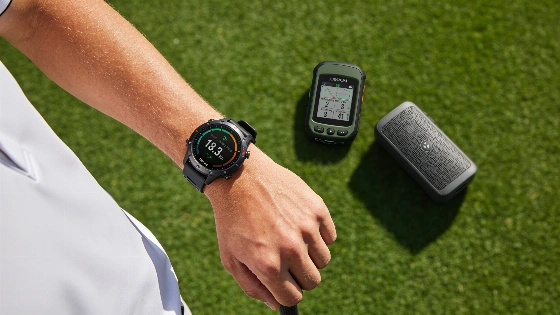
The Garmin Approach S70 Golf Watch leads the premium segment with a sharp AMOLED display, detailed mapping, and features like Smart Caddie and weather data. Buyers can pick between 42mm and 47mm sizes. Battery life stretches to 10 or 16 days in smartwatch mode, or up to 15 and 20 hours in GPS mode. Some specs list 21 days for the S70 in smartwatch mode. The 47mm version weighs about 56 grams and packs a 1.4-inch screen at 282 × 470 pixels. For those watching their budget, the Shot Scope G6 Watch brings color hole maps and hazard info to over 38,000 courses, with up to 15 hours of battery, but skips shot tracking. The Garmin Approach G82 combines GPS and launch monitor features, offering a robust display and long battery life for players who want more than basic yardages.
Accuracy-minded golfers often turn to the SkyCaddie Pro 4X GPS, which fits a bright touchscreen and full course maps into a compact shell. The MILESEEY GeneSonic Pro Detachable Golf GPS Speaker stands out with its 2-in-1 design, pairing a detachable GPS unit with a waterproof speaker and strong audio. For marathon rounds, the Bushnell Wingman HD GPS speaker is known for battery stamina, reliable yardages, and hole flyover visuals.
Testing Methodology and Key Buying Considerations
Category experts ran each device through multiple rounds, focusing on accuracy and ease of use. Battery life and course management features faced repeated scrutiny. Testers relied on real-world play, not just spec sheets, to judge performance. Still, most published results reflect product specs and user reviews, not standardized, repeated accuracy measurements. Independent GPS error margins remain unconfirmed.
According to comparative Garmin specifications, the Virtual Caddie feature leverages accumulated shot distance data, elevation, and wind to recommend clubs, while AutoShot automatically records shots and CT10 sensors enable automatic club tracking.
Practical Impact for Golfers and Editorial Perspective
On the course, GPS devices cut down on guesswork and give players actionable data. Many watches now double as daily wearables. The crowded market means no single device fits everyone-players must match features to their own routines and course demands. Top-tier models now offer detail and integration once reserved for pros, but even entry-level options reliably show yardages to the front, middle, and back of the green.
Testing shows that the right GPS device can overhaul course management, but buyers need to focus on features that actually fit their game. The latest generation brings real gains in usability, accuracy, and battery life. The gap between high-end and budget models keeps shrinking, so practical benefits matter more than marketing claims.